
General Information
Historical and general information about Fiji and Levuka
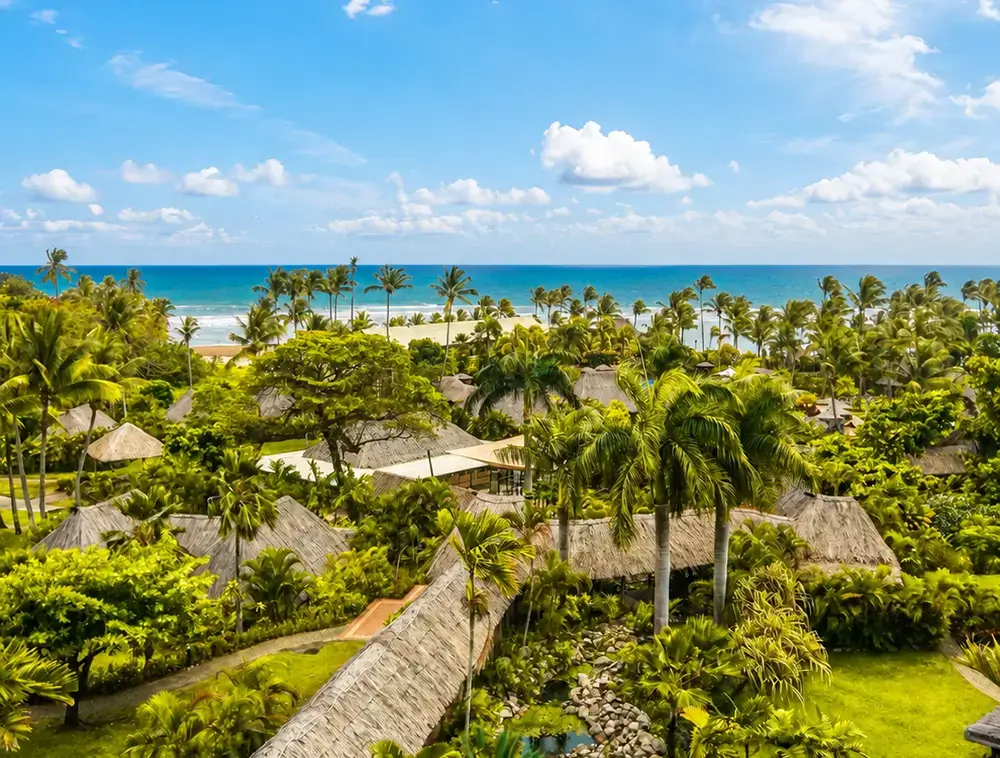
Ovalau is the sixth-largest island in Fiji and the main island of the Lomaiviti Province Group, which consists of the islands of Namena, Makogai, Koro, Wakaya, Batiki, Nairai, Gau and Ovalau. These islands are mainly of volcanic origin.
The former historical capital of the Fiji Islands is Levuka situated on the island of Ovalau recorded at the year 1874 until 1883.
LEVUKA, designated a historic town in 1989 and recognized in 2013 as UNESCO World Heritage Site and a colonial port in the South Pacific.
Lovoni Village is situated in the center of the island in a volcanic crater, surrounded in a lush and fertile vegetation, Lovoni is historically significant for never being defeated during Cakobau wars and showed their displeasure with the „Kai Valagis“ (European) settlement in Levuka by burning it down three times.
The inhabitants of the older generation who were born in Levuka would say.. „in the olden days“
Historic Insights
Levuka’s history is not held in a single monument. It unfolds through churches, schools, civic buildings and weatherboard houses set between the shoreline and Ovalau’s steep volcanic slopes. Their architecture blends colonial-era influences with local materials, building traditions and adaptations to the tropical climate.
A Port Town Takes Shape
From the 1820s onwards, Levuka developed into an important trading port around existing Indigenous settlements. Traders, missionaries, craftspeople and communities from across the Pacific gradually shaped Fiji’s first modern town.
Sacred Heart Mission
The Catholic Sacred Heart Mission was established in 1858, with the present church developing during the following decade. Its simple Gothic Revival architecture and distinctive clock tower remain defining landmarks on Levuka’s waterfront.
Mission Hill & the 199 Steps
Believed to date from the mid-19th century, the 199 steps connect the lower town with Mission Hill’s historic mission and school precinct. Although their exact construction date is not firmly documented, the climb offers one of Levuka’s most memorable links between landscape and history.
Navoka Methodist Church
Built in 1862 to replace an earlier traditional structure, Navoka Methodist Church is one of Fiji’s oldest surviving church buildings. Its thick coral-concrete walls and simple interior have endured more than a century and a half of tropical storms.
The Royal Hotel
Historical records confirm that the Royal Hotel was operating by 1869. The oldest surviving hotel in Fiji, its verandahs and rooftop lookout recall the days when Levuka’s harbour was crowded with trading vessels and visiting seafarers.
Parliament on Niukabe Hill
During the short-lived Kingdom of Fiji, Niukabe Hill became the site of Ratu Seru Cakobau’s Parliament and later a courthouse. Today, the European War Memorial records 18 people who died in the First and Second World Wars.
The Deed of Cession
At Nasova, Fiji was formally ceded to the British Crown on 10 October 1874. The memorial stones now marking the shoreline were added later, preserving the site as one of Fiji’s most important places of national memory.
Lodge Polynesia
Lodge Polynesia received its formal charter in 1875 and is regarded as the oldest Masonic organisation in the South Pacific. Its purpose-built temple followed in the early 20th century; damaged by fire in 2000, its striking ruins remain part of Levuka’s historic townscape.
Levuka Public School
Originally opened as Levuka Common School in 1879, it was Fiji’s first public school. The school moved into its purpose-built premises in 1881 and went on to educate generations of prominent Fijians.
Marist Convent School
Marist Convent School was established in 1882, initially providing education for girls. Construction of its substantial coral-stone main building began in 1890, creating one of Levuka’s most impressive historic school complexes.
Queen Victoria Memorial Hall
Built in 1898, the Queen Victoria Memorial Hall became Levuka’s Town Hall and an important centre for civic and social life. For decades it hosted council meetings, public gatherings and theatrical performances.
The Ovalau Club
Founded in 1904, the Ovalau Club was Fiji’s first private members’ club and still occupies its modest timber building beside Totoga Creek. Originally governed by the social restrictions of the colonial era, it remains a reminder of both the town’s social life and its historical divisions.
Levuka Museum & Library
The former Morris Hedstrom store has served community purposes since 1980, including a museum and library. Its collections of photographs, archaeological finds and historic artefacts preserve stories from Levuka and the wider island of Ovalau.
World Heritage Status
In 2013, Levuka Historical Port Town became Fiji’s first UNESCO World Heritage Site. The designation recognises its exceptional townscape and the many cultures, communities and historical forces that shaped it.
The detailed dates are primarily taken from the official UNESCO nomination dossier. The broader history and World Heritage inscription are confirmed on the UNESCO World Heritage page for Levuka. Tourism Fiji also provides up-to-date descriptions of the most important sites.
Sources differ regarding the Masonic Temple: The lodge was officially recognized in 1875, while the building is dated to either 1913 or 1924, depending on the source. Therefore, “early 20th century” is the most appropriate phrasing for the public text. The year of construction for the 199 Steps is also undocumented; they are merely considered to have been built shortly after missionary activities began. The Fiji Sun explicitly describes this dating as based on tradition.